Babesiosis (Human)
What exactly is Babesiosis?
Babesiosis is an infection caused by microscopic parasites of the genus Babesia that infect red blood cells. It is spread by tick bites. Human babesiosis is extremely rare in the UK: only a handful of cases have ever been reported. However, the related disease canine babesiosis is a growing concern for dog owners.
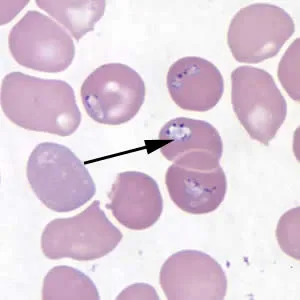
Babesia parasites in a blood smear (source: CDC DPDx).
How Do You Get It?
In Europe, human babesiosis is mainly caused by Babesia divergens (a cattle parasite) and, less commonly, Babesia microti. The tick vector is Ixodes ricinus. You cannot catch babesiosis from another person (except via blood transfusion, but this is screened against).
Signs & Symptoms
Most people who are infected have no symptoms or mild illness. When symptoms occur, they typically appear 1–4 weeks after a tick bite:
- Fever, chills, sweats
- Fatigue and general malaise
- Headache, body aches
- Dark urine (due to breakdown of red blood cells)
Severe disease is more likely in people who are immunocompromised, elderly, or who have had their spleen removed. In these groups it can be life-threatening.
Diagnosis & Treatment
Diagnosis is by blood smear looking for the parasites or PCR test looking for the genetic material of the parasite. Treatment uses a combination of anti-parasitic drugs (usually atovaquone + azithromycin). Severe cases may require blood transfusion.
Prevention
- Follow our bite prevention guide.
- Remove ticks promptly.
- There is no human vaccine for babesiosis.
- People who are immunocompromised should take extra care in tick habitats.
Babesiosis in Dogs
Canine babesiosis (caused by Babesia canis) is a separate and more common concern in the UK. It is spread by Dermacentor reticulatus and can be serious.